

Why Fashion Is Obsessed With Nostalgia Right Now and What AI Has to Do With It
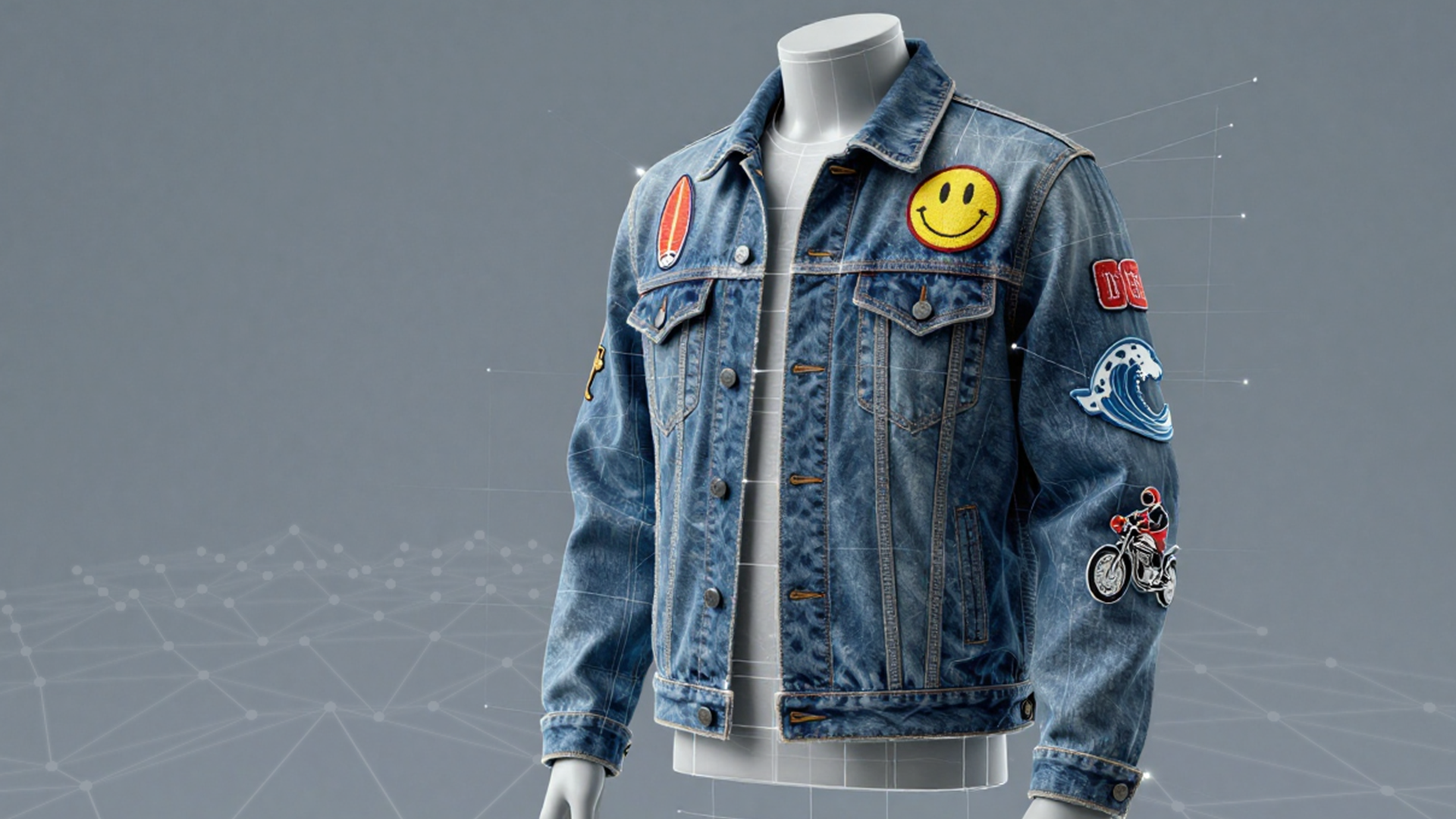
Open any recent issue of Vogue, Harper’s Bazaar or Grazia, and the message is clear. Fashion is in a full-scale love affair with the past. Y2K silhouettes, 90s minimalism and archive revivals are no longer niche references. They dominate runways, campaigns and cultural conversation.¹ ²
This is not accidental. In a period shaped by economic pressure, sustainability scrutiny and compressed trend cycles, nostalgia offers something rare: familiarity. It provides visual language that feels emotionally grounded and commercially safer.
The Y2K Revival Is No Longer a Trend, It Is Infrastructure
Early 2000s fashion has moved beyond irony into legitimacy. Low-rise denim, mini skirts, baby tees and logo accessories have been revalidated by both luxury houses and mass brands, driven by Gen Z and millennial engagement.³ ⁴
Designers have leaned in. Prada and Blumarine continue to reference early-2000s proportions, while Diesel under Glenn Martens has transformed Y2K denim codes into a defining brand asset.⁵ ⁶ Accessories reinforce the shift. The bowling bag has returned through collections at Prada, Chloé and Louis Vuitton, framed widely as a revived classic.⁷
Beyond luxury, Hollister and Juicy Couture have revisited their early-2000s identity through anniversary capsules and collaborations. These are strategic returns to recognisable eras that resonate strongly with younger consumers, a shift analysed across mainstream fashion media.⁸ ⁹
Why Fashion Keeps Looking Back
Fashion often turns to nostalgia during moments of instability. The past reassures. Archive silhouettes have already proven their appeal. Editors know how to frame them, buyers know how to sell them and consumers recognise them instantly.
What has changed is the efficiency of reuse. Digital archives, structured design libraries and connected workflows allow brands to treat heritage not as static reference but as an active design system, a transformation increasingly discussed in industry analysis.¹²
A 90s slip dress or Y2K cargo trouser is no longer reproduced unchanged. Proportions are refined, fits updated and materials evolved. Nostalgia becomes adaptable rather than fixed.
The Role of AI Behind the Scenes
AI rarely appears on the runway, yet it increasingly shapes what reaches the shop floor, particularly when brands work from archive material.¹⁰
When a team decides to revive a silhouette from a previous collection, the original pattern often exists as a DXF file stored in a design library. Traditionally, adapting it requires manual review of each pattern piece, verification of seam allowances and construction details, recalculation of grade rules, and reconstruction of the technical specification.
AI-enabled tools can compress this process substantially. A digitised archive pattern can be automatically classified and segmented. Construction elements such as darts, pleats and seam allowances can be detected without manual tagging. Measurements are extracted, grading recalculated across updated size ranges and aligned with current fit standards.
The result can flow directly into refreshed tech packs or 3D visualisation tools, reducing duplication of technical work. What once required a full redevelopment cycle can now be executed far faster and with greater consistency.
For nostalgia-driven design, this distinction is critical. The creative direction already exists. Reviving a 90s cargo trouser or early-2000s slip dress is rarely an aesthetic challenge. The bottleneck is technical: translating archive intent into production-ready output without losing speed or precision.
By combining archive intelligence with data-informed decision making, brands reduce re-engineering time and free designers to focus on proportion, fabrication and finish.
Publications such as Vogue Business and The Business of Fashion have highlighted how technology is reshaping the creative process across the industry.¹¹ ¹² The nostalgia wave sits firmly within this structural shift.
From Trend Recycling to Design Intelligence
There is a difference between recycling trends and building design intelligence. Trend recycling copies surface aesthetics. Design intelligence extracts structural value and applies it systematically.
When archives are treated as living systems rather than static references, brands can move with culture while reducing waste, shortening timelines and maintaining coherence.
Looking Back, Moving Forward
Fashion’s fixation on nostalgia is not creative stagnation. It reflects an industry operating more strategically. As novelty becomes riskier and speed more critical, the past provides a stable foundation.
The future of fashion will not abandon nostalgia. It will refine it through stronger systems, smarter tools and more connected workflows.
At Six Atomic, we see nostalgia as a resource rather than a limitation. When design libraries, reusable patterns and data-driven workflows align, archive knowledge becomes operational momentum. In a culture that accelerates every season, the ability to reuse intelligence may be the most modern capability of all.
Sources
1-Vogue “Why Y2K Fashion Is Back and Bigger Than Ever” https://www.vogue.com/article/y2k-fashion-trend
2-Harper’s Bazaar “Why Fashion Can’t Quit the 2000s” https://www.harpersbazaar.com/fashion/trends/a39518443/y2k-fashion-trend/
3-Elle “The Y2K Trend Isn’t Going Anywhere and Here’s Why” https://www.elle.com/fashion/trend-reports/a40378952/y2k-fashion-trend/
4-Cosmopolitan “Y2K Fashion Trends That Are Officially Back” https://www.cosmopolitan.com/style-beauty/fashion/a40131578/y2k-fashion-trends/
5-Vogue Runway Prada collections archive and runway reviews https://www.vogue.com/fashion-shows/designer/prada
6-Vogue Runway Diesel collections under Glenn Martens https://www.vogue.com/fashion-shows/designer/diesel
7-Who What Wear “The Bowling Bag Is Back and Celebrities Are Already Carrying It” https://www.whowhatwear.com/bowling-bag-trend
8-The Business of Fashion “Why Y2K Brands Are Making a Comeback With Gen Z” https://www.businessoffashion.com/articles/marketing-pr/y2k-brands-gen-z/
9-Fashionista “Juicy Couture’s Comeback Is Built on Nostalgia and TikTok” https://fashionista.com/2023/02/juicy-couture-comeback
10-Vogue Business “How AI Is Quietly Transforming Fashion Design” https://www.voguebusiness.com/technology/how-ai-is-transforming-fashion-design
11-The Business of Fashion “Why Fashion’s Future Depends on Better Systems, Not Faster Trends” https://www.businessoffashion.com/articles/technology/fashion-design-systems/
12-Vogue Business “How Fashion Is Using Archives as a Strategic Asset” https://www.voguebusiness.com/consumers/how-fashion-is-using-archives-as-a-strategic-asset